From Vision to Reality: The Way Event Planners Transform Your Non-Profit Charity Gatherings
Event planners serve as essential partners for nonprofit organizations, turning visionary concepts into concrete achievements. Their knowledge closes the divide between logistics, vendor relations, and thematic creativity. Through implementing thoughtful financial planning and utilizing social media platforms, they strengthen donation campaigns and public involvement. However, the journey from concept to execution is intricate. Understanding how to select the right planner and implement effective strategies can greatly impact an event's success. Which factors will truly determine that achievement?
The Role of Event Planners
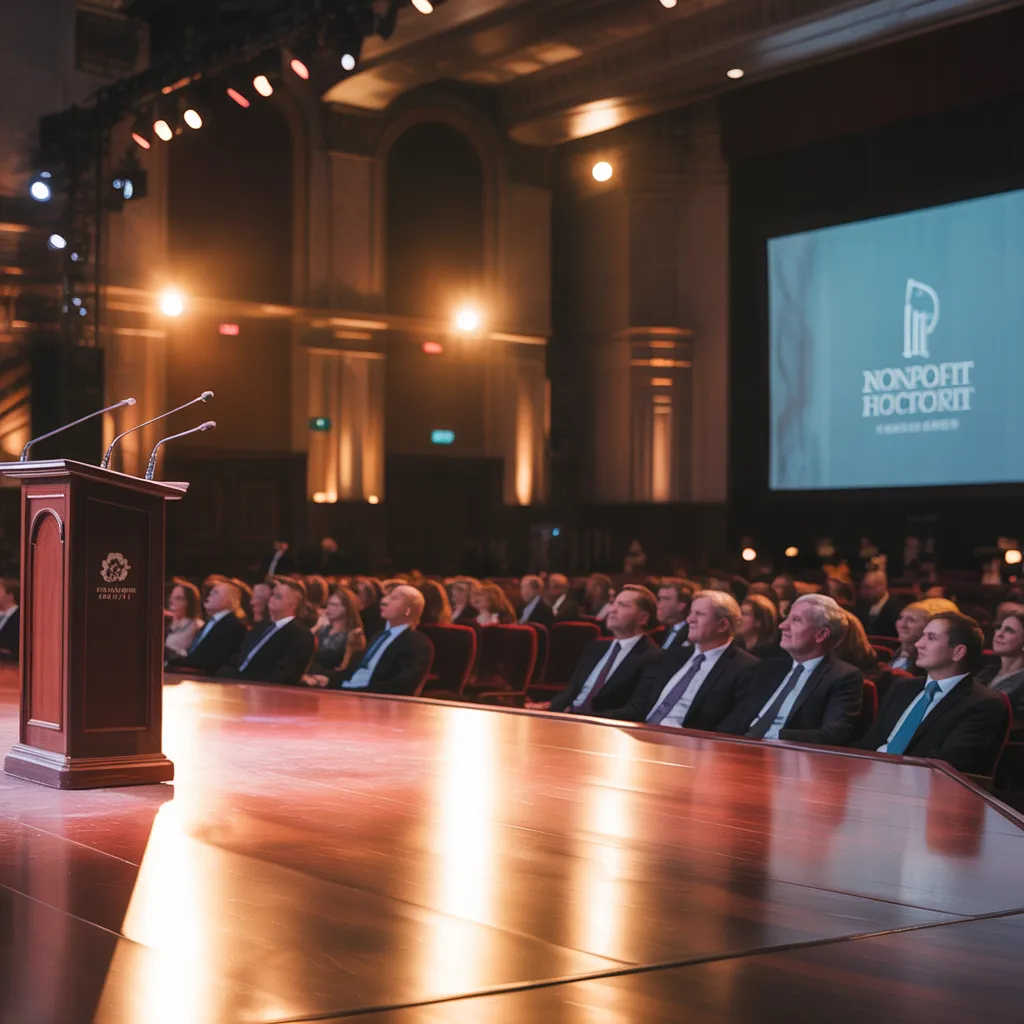
Event coordinators act as the foundation of non-profit charity events, coordinating every aspect to ensure success. Their main duty entails grasping the goals and vision of the organization, transforming these into a unified event plan. They handle arrangements, such as venue selection, catering, and audiovisual requirements, ensuring that all elements align with the event's goals.
Additionally, event planners are skilled in budgeting, allowing organizations to optimize their resources while keeping costs low. They cultivate relationships with vendors and sponsors, establishing contracts that advance the charity's financial objectives.
In addition to operational responsibilities, they also concentrate on advertising the event, utilizing social media and traditional channels to increase turnout and involvement. By managing volunteers and personnel, they establish a productive group dynamic, guaranteeing seamless execution on the day of the event. Ultimately, the role of an event planner is critical in maximizing the complete influence and outcome of charitable nonprofit gatherings.
Selecting Your Event Planner
What steps can a non-profit organization take to ensure it chooses the ideal event planner for its charity event? The selection process begins with identifying planners who have experience in the non-profit sector. Organizations should evaluate portfolios and case studies to assess past successes and relevant expertise. Engaging in conversations with potential planners allows for insights into their understanding of non-profit goals and values.
Furthermore, nonprofits should pursue referrals from associates or sector networks to establish credibility. Evaluating potential hires about their organizational strategy, approaches to resolving issues, and goals for the occasion can uncover alignment. Cost-related aspects are also critical; coordinators ought to supply honest pricing outlines that match the nonprofit's budgetary limitations. In conclusion, assessing communication preferences is critical—effective collaboration depends on clear and open dialogue. Through carefully considering these elements, a charity can effectively identify an event coordinator who will meaningfully transform its philanthropic gathering.
Captivating Themes That Connect
What factors contribute to a truly captivating theme for a charity event? A well-crafted theme speaks to the audience and reflects the values of the non-profit. It must stir feelings, generating enthusiasm and participation among guests. For instance, a "Masquerade Ball" can create an air of mystery, encouraging guests to connect through shared experiences.
Additionally, themes ought to be visually compelling, improving the overall ambiance and rendering the event unforgettable. Incorporating interactive elements, including photo booths or live art, can further captivate participants.
Furthermore, a carefully chosen theme can simplify the planning process, guiding decisions surrounding decor, food, and entertainment. By guaranteeing that all facets of the event reflect the selected theme, event coordinators can develop a seamless experience that strengthens the charity's message. Ultimately, a powerful theme not only attracts attendees but also encourages a more meaningful connection to the initiative, encouraging generosity and support.
Intelligent Budget Planning for Charity Events
A captivating theme defines the character of a charity event, but smart financial planning ensures its seamless execution. Smart budgeting involves a thorough assessment of both fixed and variable costs, ensuring that every dollar contributes to the event's goals. Event planners often recommend establishing a clear budget framework that includes venue expenses, catering, marketing, and entertainment.
Prioritizing spending is essential; organizers recommend pinpointing key components that support the event's purpose. Furthermore, seeking in-kind donations and sponsorships can greatly reduce costs, allowing more funds to be directed toward the cause.
Regular budget reviews throughout the planning process can help prevent unexpected financial challenges. Through open communication with stakeholders about costs, stronger trust and teamwork can develop. At its core, strategic budgeting not only amplifies the event's overall success but also reinforces the non-profit's credibility, guaranteeing that attendees recognize the value of their support.
Effortless Logistics Management
Proper logistics coordination is essential for the success of non-profit charity events. This requires streamlined venue organization, optimized vendor relationships, and timely schedule management to confirm that all details come together smoothly. By focusing on these key factors, event planners can create a smooth experience that enhances the overall impact of the event.
Seamless Venue Coordination
Even though choosing the proper venue is vital for a prosperous charity event, efficiently coordinating logistics can make or break the overall experience. Effective venue coordination involves meticulous planning, from floor plan development to attendee accessibility. Event coordinators must confirm that the location can support the projected attendance while enabling unobstructed traffic flow across the event. Adequate signage, organized seating, and dedicated spaces for check-in and activities are essential for improving attendee participation. Furthermore, prompt communication with venue personnel is necessary to handle any unexpected challenges. By managing these logistics seamlessly, event planners can create an inviting atmosphere that allows guests to focus on the event's mission, ultimately resulting in increased fundraising achievements and community participation.
Efficient Vendor Partnerships
Moreover, vendor contracts negotiated in advance can result in significant cost reductions, which is essential for non-profit budgets. A carefully managed vendor network also fosters creativity, as organizers are able to draw on the distinctive resources and expertise of each vendor. In the end, well-managed vendor relationships establish a unified and polished environment, greatly contributing to the event's success and the organization's overall objectives.
On-Time Schedule Management
When overseeing a charitable nonprofit event, punctual scheduling is necessary to achieve flawless coordination. Planning teams must establish a complete event plan that outlines every aspect of the event, from vendor coordination to guest arrivals. This precise planning minimizes the risk of delays and ensures that every team member understands their duties. Consistent check-ins and notifications ensure all parties stay current, allowing for quick adjustments if unforeseen issues arise. Additionally, a properly designed schedule accounts for preparation and teardown periods, confirming the venue is adequately set up for participants. Through emphasizing effective timeline coordination, organizers can elevate the general attendee experience, strengthening commitment and advocacy for the organization's purpose while promoting a seamless delivery of the event.
Innovative Engagement Ideas for Charity Events
Groundbreaking engagement ideas can substantially improve the draw of charitable gatherings. Integrating engaging fundraising initiatives, curated event themes, and effective social media strategies can cultivate stronger relationships with audience members. These techniques not only increase involvement but also magnify the total effect of the gathering.
Interactive Fundraising Events
Engaging contributors in charity events calls for creativity, and dynamic fundraising activities can transform traditional gatherings into vibrant experiences. These efforts not only encourage communal participation but also encourage attendees to engage meaningfully. Choices such as live auctions, where participants bid on unique items, or interactive games that incorporate giving incentives can considerably improve involvement. Additionally, utilizing modern technology, like smartphone applications for live fundraising progress, facilitates instant involvement. Challenges, such as charity walks or treasure hunts, can also energize participants while collecting contributions. By incorporating these participatory features, organizers establish an engaging environment that not only collects donations but strengthens connections among contributors, ultimately enhancing the reach of the charitable occasion.
Themed Event Adventures
Creating themed event experiences can significantly enhance the setting of charitable events. Through choosing a unified theme, event coordinators can develop engaging atmospheres that resonate with attendees. Themes such as masked events, nostalgic fairs, or multicultural festivals can boost participation and cultivate a feeling of togetherness. Unique decor, costumes, and activities aligned with the theme can encourage dialogue and promote engagement. As an illustration, a \"Jazz Age\" theme might incorporate classic jazz, retro styling, and prohibition-era drinks, producing a lasting impression. Furthermore, themed gatherings can direct fundraising approaches, with auction items and donation drives aligned with the concept. In summary, a thoughtfully implemented concept not only engages but also strengthens the personal bond with the mission, ultimately enhancing the occasion's overall influence.

Strategies for Social Media Engagement
Utilizing the potential of social media can significantly enhance the reach and impact of charity events. Organizers can utilize platforms like Instagram, Facebook, and Twitter to generate excitement leading up to and following events. Compelling content, such as real-time streaming, behind-the-scenes glimpses, and instant updates, maintains audience engagement. Including interactive elements, like interactive polls and branded hashtags, inspires guests to share their moments, fostering community engagement. Additionally, developing eye-catching graphics and promotional videos can increase exposure. After the event, coordinators should gather insights and stories from participants, facilitating authentic engagement and reinforcing future partnerships. By implementing these strategies, event coordinators can transform social media into a powerful tool for enhancing charity events and maximizing their reach.
How to Measure Event Success
In what ways can event planners successfully gauge the effectiveness of a non-profit charity event? While success metrics may differ, a number of important indicators offer meaningful insights. First, financial outcomes are vital; coordinators should measure the revenue generated relative to the objectives defined ahead of the event. Additionally, participant feedback plays a critical role; feedback forms distributed following the event can evaluate overall satisfaction and participant engagement. Additionally, social media metrics, including shares, likes, and comments, can reflect the event's reach and community impact.
Furthermore, examining the quantity of donors or volunteers newly acquired acquired during the event can suggest potential for long-term engagement. A further significant element is press coverage, as increased visibility can boost the standing of the organization. Lastly, event planners should evaluate logistical execution, including attendance figures relative to registration numbers. Through the integration of these metrics, event coordinators can achieve a complete picture of their event's success and pinpoint areas needing future improvement.
Common Questions and Answers
How Can I Recruit Volunteers for My Charity Event?
To recruit explore this topic volunteers for a charity event, one may use social media, local community boards, and volunteer organizations. In addition, contacting schools and universities often yields enthusiastic participants keen to contribute their time and skills.
What Permits Do You Need for Hosting Charity Events?
For those hosting charity events, event planners generally require permits including outdoor gathering permits, alcohol licenses, and special event authorizations. Rules and requirements change based on your area, so consulting local regulations is essential for compliance and successful planning.
How Can I Promote My Charity Event Effectively?
To successfully promote a charitable event, one must make use of popular social networking sites, engage local media, team up with well-known influencers, develop visually compelling graphics, and foster organic word-of-mouth promotion while presenting attractive rewards for those who attend and participate.
What Common Pitfalls Should You Avoid During Charity Events?
Common pitfalls during charity events include poor preparation, unsuitable venue choices, lack of promotion, overlooking donor appreciation, and inadequate volunteer involvement. Tackling these challenges can significantly improve the event's impact and overall outcome.
How Do I Follow up With Donors After the Event?
Following up with donors after an event involves expressing gratitude through personalized emails or handwritten notes, sharing event highlights, offering insights into how their donations made a difference, and welcoming their participation in future endeavors.